
Potatoes are a staple food in almost every kitchen around the world. They are cheap, filling, and incredibly versatile for homemade meals. However, despite how often we eat them, there are several rules about storing, preparing, and eating potatoes that most people do not know. Understanding these simple facts can help you get the most out of your food while keeping your family safe from surprising natural toxins.
Here are seven important facts everyone should know about potatoes:
1. Green Potatoes Contain a Potent Toxin
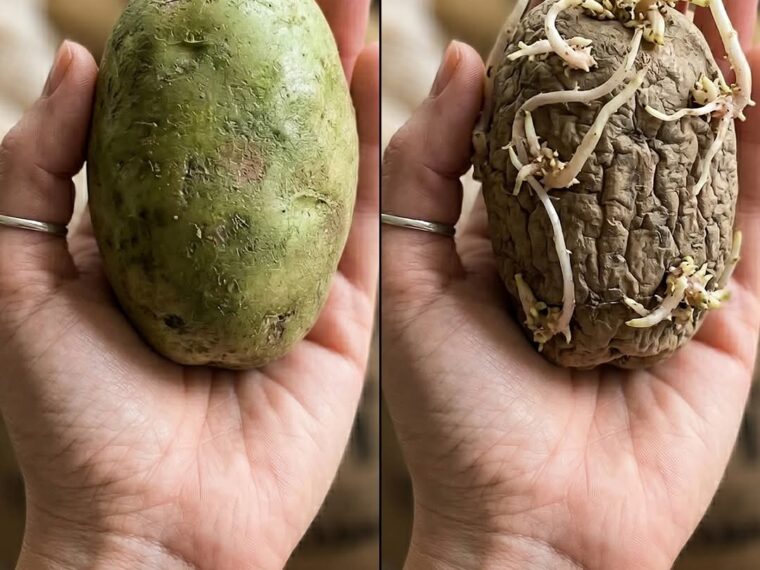
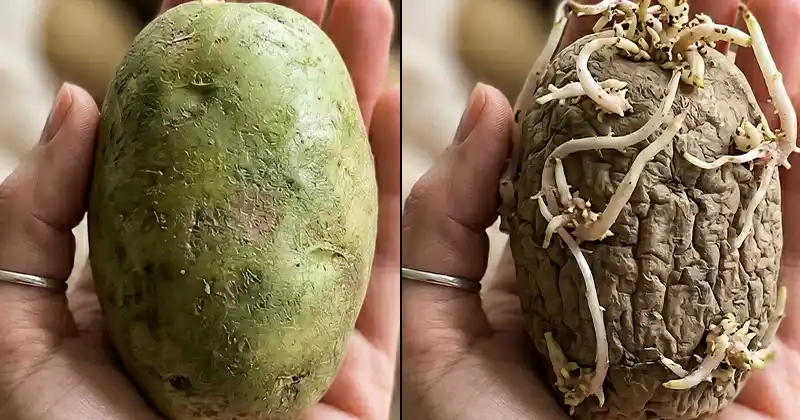
- The Cause: When potatoes are left out in the light, they start to turn green. This green color is chlorophyll, which is harmless on its own. However, the light also causes the potato to produce a potent natural toxin called solanine.
- The Danger: Eating too much solanine can cause severe stomach aches, nausea, and headaches.
- The Solution: Cooking does not destroy solanine. If the green spot is small, you can peel it away deeply until you reach normal flesh. If the potato is very green or tastes bitter after cooking, you must throw it away.
2. Sprouts Are Also Toxic
- The Cause: When a potato sits for a long time, it tries to grow into a new plant by pushing out sprouts. To protect these vulnerable new shoots, the potato sends high levels of solanine into the sprouts and the “eyes” (the dimples where sprouts grow).
- The Danger: Eating the sprouts or the flesh immediately surrounding them can make you sick.
- The Solution: If the potato is still hard and firm, simply cut out the entire sprout and the eye. The rest of the potato is safe to eat. If the potato has become soft, squishy, or heavily wrinkled, the toxins have spread, and you should discard it.
3. The Refrigerator Ruins Them
- The Cause: Many people put potatoes in the fridge to make them last longer, but the cold temperature quickly turns the potato’s complex starches into raw sugars.
- The Danger: When you bake, roast, or fry these cold-stored potatoes at high heat, those extra sugars react to form a dangerous chemical called acrylamide, which is a known health risk.
- The Solution: Always store your potatoes in a cool, dark, and dry place like a pantry or a lower cabinet. Never put them in the refrigerator.
4. Onions Are Their Worst Enemy
- The Cause: It is common to store potatoes and onions together in the same basket or bin, but this is a mistake.
- The Danger: Onions naturally release a gas called ethylene as they sit. This gas forces potatoes to sprout and spoil much faster than they normally would. At the same time, potatoes release moisture into the air, which causes the onions to rot.
- The Solution: Keep your potatoes and onions in completely separate areas of your kitchen or pantry.
5. The Potato Plant Grows Toxic “Berries”
- The Cause: Potatoes belong to the nightshade family of plants. While we eat the tuber that grows safely underground, the leafy plant above ground has its own life cycle.
- The Danger: If left to grow through a full season, the potato plant will flower and produce small, green fruits that look exactly like unripe cherry tomatoes. These “berries” are incredibly toxic and packed with high amounts of solanine. They should never be eaten under any circumstances.
6. Boiling Chopped Potatoes Washes Away Nutrients
- The Cause: Potatoes are actually very healthy and contain high amounts of potassium and Vitamin C. However, these specific nutrients dissolve easily in water.
- The Danger: If you peel and chop your potatoes into small cubes before boiling them for mashed potatoes, a large amount of their nutritional power leaks out into the boiling water and goes straight down the drain.
- The Solution: To keep the vitamins inside the food, try to boil your potatoes whole with the skin still on. You can easily peel and chop them after they are fully cooked.
7. Soaking French Fries Too Long Makes Them Mushy
- The Cause: If you make homemade french fries, soaking the cut potatoes in cold water for 30 minutes is a great trick. It removes extra starch from the outside so they get perfectly crispy in the oil or oven.
- The Danger: If you forget about them and leave them soaking in water for too long (like overnight on the counter), the potato pieces will act like sponges. They will absorb too much water and become completely waterlogged.
- The Solution: When you try to cook waterlogged potatoes, they will steam from the inside out and turn into a soggy mush. Stick to a short, 30-minute soak for the best texture.
Potatoes are a reliable ingredient for home cooking. By following these simple rules, you can ensure your potatoes stay fresh for longer, keep their healthy vitamins, and remain perfectly safe for everyone to eat.
Inspired by this? Share the article with your friends!