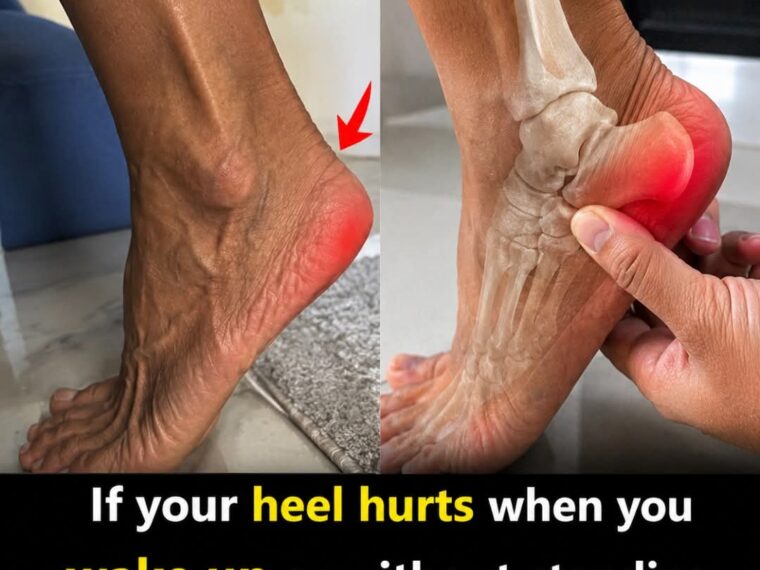
Many people wake up to that sharp heel discomfort with their very first steps of the day, exactly like the illustration shows, even without standing for long periods. It can turn getting out of bed into a dreaded moment and make everyday activities feel more challenging, leaving you frustrated and less mobile throughout your day. The good news is that understanding what’s happening in your body and adding a few gentle movements can make a meaningful difference in how your feet feel. Stick around, because we’re about to share seven simple exercises plus one overlooked daily habit that many people find surprisingly helpful for supporting better foot comfort.
Why Heel Pain Often Hits Hardest in the Morning
That familiar ache right at the bottom of your heel is incredibly common. It usually stems from the thick band of tissue called the plantar fascia that runs along the bottom of your foot and connects your heel bone to your toes. After hours of rest overnight, this tissue can tighten up. When you stand or take those first steps, the sudden stretch can create discomfort that eases somewhat as you move around. Research shared by physical therapists and orthopedic experts suggests that this pattern is especially noticeable after long periods of sitting or sleeping because the fascia loses some of its flexibility during inactivity.
But here’s the reassuring part: targeted stretching and strengthening moves can help gently loosen things up and support the muscles and tissues that work together with the plantar fascia. Studies indicate that consistent stretching and strengthening routines may help reduce morning discomfort and improve overall foot function over time.
How These Exercises Can Make a Difference
The beauty of these exercises is that they focus on flexibility in the calf muscles and plantar fascia while gently strengthening the smaller muscles in your feet. Tight calves often pull on the fascia, adding extra stress, while weak foot muscles can leave the arch less supported. By addressing both, you create better balance and comfort. Physical therapists frequently recommend these moves because they’re easy to do at home with minimal equipment and can fit into your morning routine before you even get out of bed.
But that’s not all. Many people notice the biggest improvements when they combine these exercises with simple daily habits. And the best part? You can start seeing positive changes with just a few minutes a day.
7 Simple Exercises to Help Ease Morning Heel Pain
Here are seven gentle exercises drawn from recommendations by physical therapists and sports medicine experts. Start slowly, listen to your body, and stop if anything feels sharp or painful. Aim for consistency rather than intensity—most people do them once or twice daily, especially first thing in the morning.
1. Seated Plantar Fascia Stretch
This move directly targets the tight band under your foot and can feel especially relieving right after waking up.
- Sit on the edge of your bed or a chair with your affected foot crossed over your opposite knee.
- Gently grasp your toes and pull them back toward your shin until you feel a mild stretch along the bottom of your foot.
- Hold for 15–30 seconds, breathing deeply.
- Repeat 3 times per foot.
Do this before standing in the morning for best results.
2. Wall Calf Stretch (Straight-Knee Version)
Tight calves are a major contributor to heel discomfort, and this classic stretch helps lengthen them safely.
- Stand facing a wall with your hands placed at shoulder height.
- Step one foot back, keeping the back leg straight and heel flat on the floor.
- Lean forward gently until you feel a stretch in the back of your calf.
- Hold for 30 seconds, then switch sides.
- Repeat 3 times per leg.
Perform this twice a day—once in the morning and once in the evening.
3. Bent-Knee Calf Stretch (Soleus Stretch)
This variation reaches the deeper calf muscle that connects directly to the Achilles tendon.
- From the same wall position as above, bend the knee of your back leg slightly while keeping your heel down.
- Lean forward until you feel the stretch lower in your calf.
- Hold for 30 seconds per side.
- Repeat 3 times.
Many people overlook this one, but it can make a noticeable difference in overall heel comfort.
4. Frozen Water Bottle Roll
This combines gentle massage with cooling relief that many find soothing after periods of rest.
- Sit in a chair and place a frozen water bottle (or tennis ball) under the arch of your foot.
- Roll your foot back and forth from heel to toes, applying gentle pressure.
- Continue for 5–10 minutes per foot.
The cold helps calm irritation while the rolling loosens tight tissue. Keep a bottle in the freezer for easy access.
5. Towel Toe Curls (or Scrunch)
This strengthening move activates the small muscles that support your arch.
- Sit with a small towel flat on the floor in front of you.
- Place your foot on the towel and use your toes to scrunch it toward you.
- Release and repeat 10–15 times per foot.
- Do 2–3 sets.
It’s a simple way to build foot strength without any equipment beyond a towel.
6. Heel Raises
Strengthening your calf muscles helps take pressure off the plantar fascia over time.
- Stand with your feet hip-width apart, holding onto a stable surface for balance if needed.
- Slowly rise up onto your toes, lifting your heels off the ground.
- Hold for 2–3 seconds, then lower slowly (especially the lowering part).
- Do 10–15 repetitions, 2–3 sets.
Start with both feet and progress to single-leg raises as you get stronger.
7. Toe Lifts or Spreads
This often-overlooked exercise strengthens the muscles on top of your foot and improves overall foot control.
- Sit or stand with your feet flat on the floor.
- Keep your heels and the balls of your feet planted while lifting just your toes upward.
- Hold for 5 seconds, then relax.
- Repeat 10–15 times, or try spreading your toes wide apart between lifts.
It helps balance the muscles that support the arch and can feel surprisingly effective after just a week or two.
Additional Tips to Support Foot Comfort Every Day
Beyond the exercises, small changes can amplify your results:
- Wear supportive shoes with good arch support and cushioned heels, especially first thing in the morning.
- Apply ice for 10–15 minutes after activity if discomfort increases.
- Maintain a healthy weight to reduce stress on your feet.
- Avoid going barefoot on hard surfaces.
Here’s a quick comparison of morning vs. evening routines many people follow:
| Time of Day | Best Exercises | Why It Helps |
|---|---|---|
| Morning (in bed) | Plantar Fascia Stretch + Towel Stretch | Loosens overnight tightness |
| Midday | Frozen Bottle Roll + Toe Curls | Refreshes feet after sitting |
| Evening | Calf Stretches + Heel Raises | Builds strength and prevents stiffness |
When to Consider Professional Guidance
While these exercises help many people manage morning heel discomfort, listen to your body. If pain persists beyond a few weeks, worsens with activity, or is accompanied by swelling or redness, it’s wise to consult a healthcare professional for personalized advice.
Wrapping Up: Small Moves, Big Comfort
Morning heel pain doesn’t have to control your day. By understanding what’s happening in your body and incorporating these seven simple exercises into your routine, you’re taking positive steps toward greater foot comfort and mobility. Consistency is key—many people notice improvement within a couple of weeks when they stick with it.
Ready to feel better on your feet? Start with just one or two exercises today and build from there. Your mornings (and the rest of your day) will thank you.
Frequently Asked Questions
How often should I do these exercises for morning heel pain?
Most people see the best results by doing the routine once or twice daily—especially the stretches first thing in the morning and strengthening moves later in the day. Start with shorter sessions and increase as your comfort improves.
Can these exercises replace seeing a doctor or physical therapist?
These moves are gentle and widely recommended, but they work best as part of an overall approach. If discomfort continues or interferes with daily life, professional guidance can provide tailored support and rule out other causes.
What should I do if the pain gets worse after starting the exercises?
Stop the specific movement that causes increased discomfort and try gentler variations or shorter holds. Ice the area and consult a healthcare provider if pain persists.
Disclaimer: This article is for informational and educational purposes only and is not intended as medical advice. Always consult your healthcare provider before beginning any new exercise program, especially if you have existing pain or health conditions.