
4
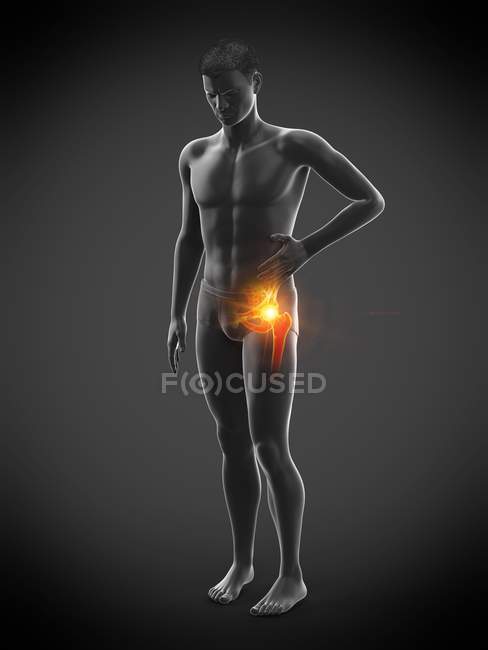
Hip pain is a common problem that can affect people of all ages. Sometimes it appears suddenly after an injury, while other times it develops slowly over time. Because the hip joint supports much of the body’s weight and helps with movement, pain in this area can significantly affect daily life.
Understanding the possible causes of hip pain can help you recognize when it is a minor issue and when it might be a sign that your body needs medical attention.
Common Causes of Hip Pain
1. Muscle or Tendon Strain
One of the most common causes of hip pain is a strain in the muscles or tendons surrounding the joint. This often happens due to:
- Intense physical activity
- Sudden movements
- Overuse during exercise
Pain from a strain usually improves with rest, ice, and gentle stretching.
2. Arthritis
4
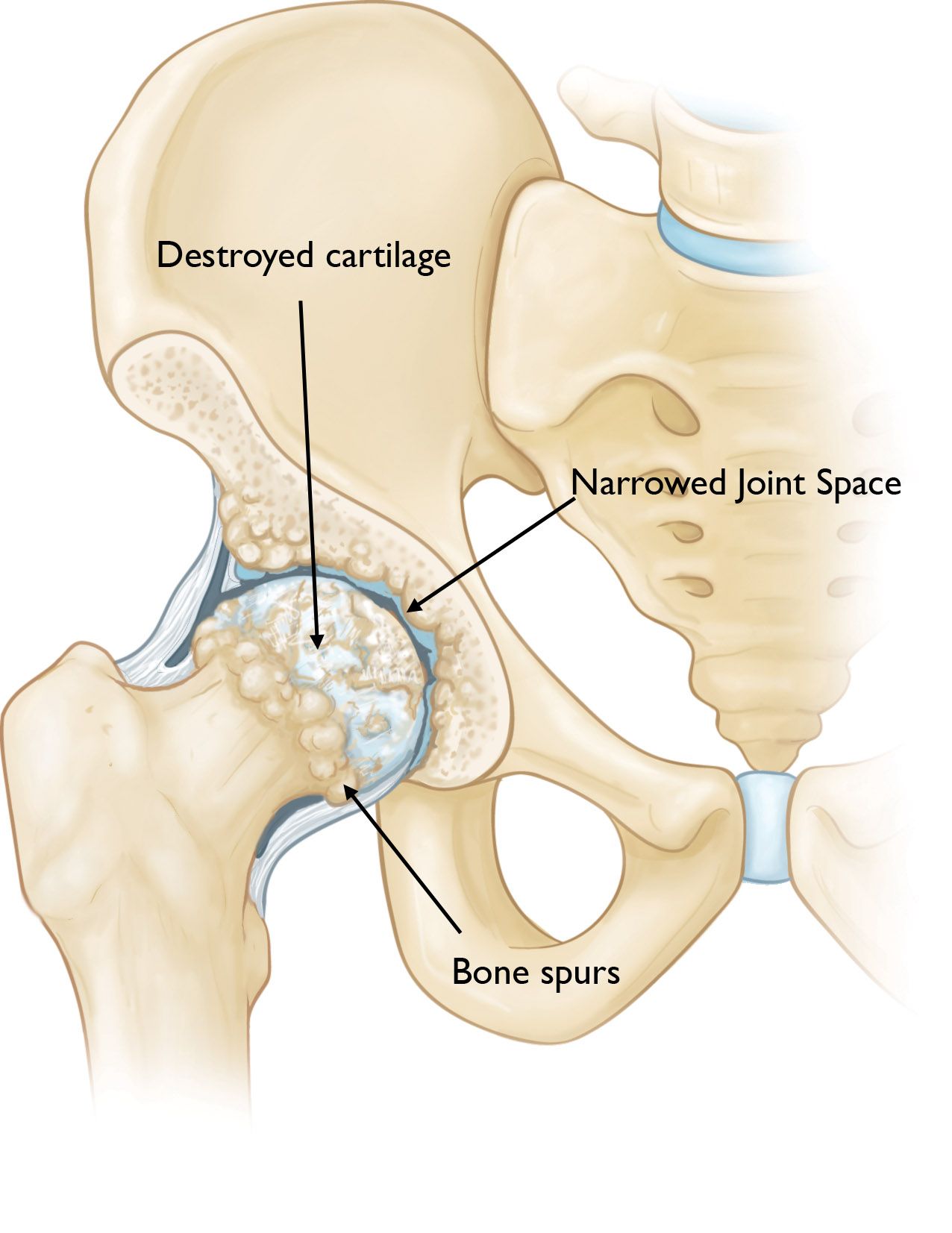
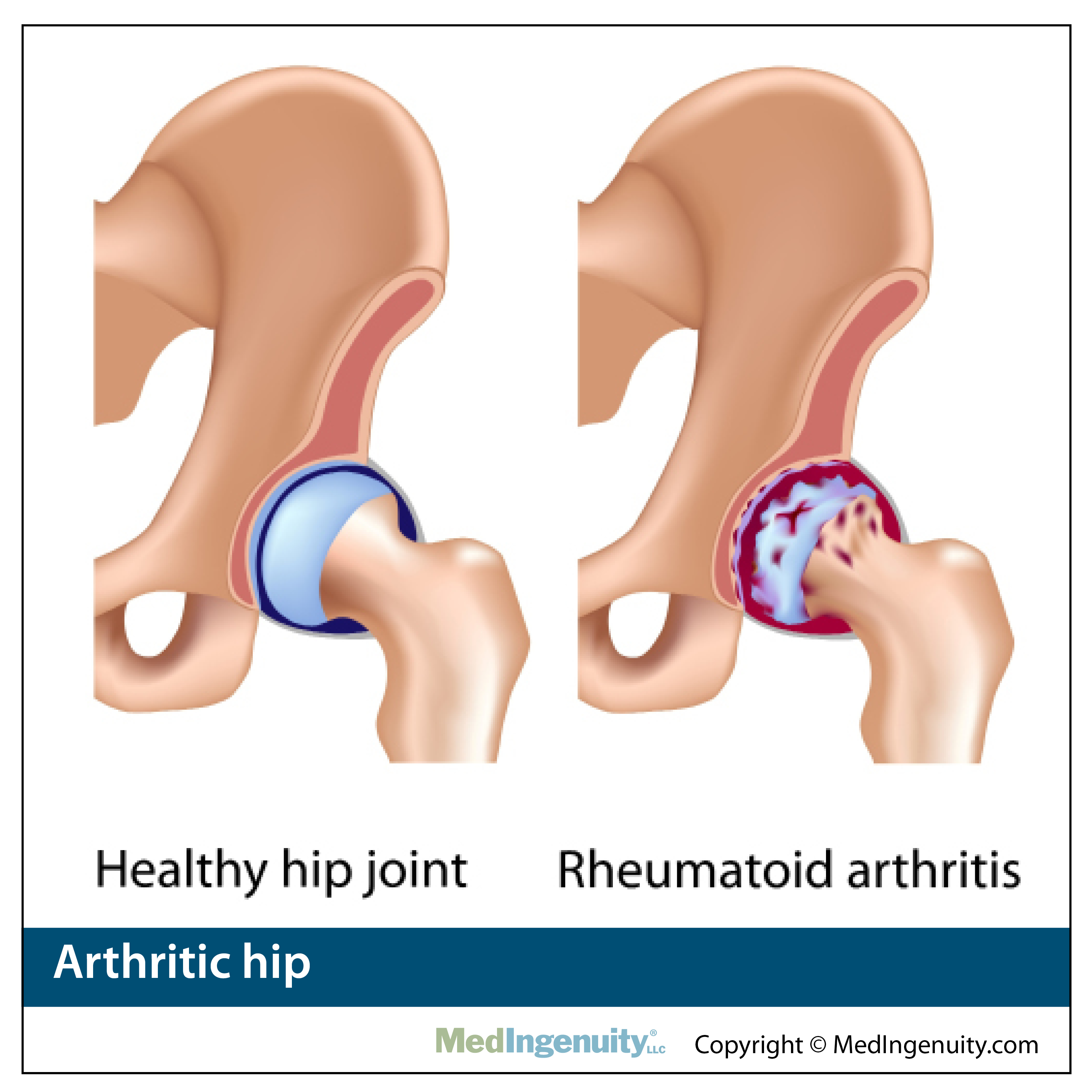
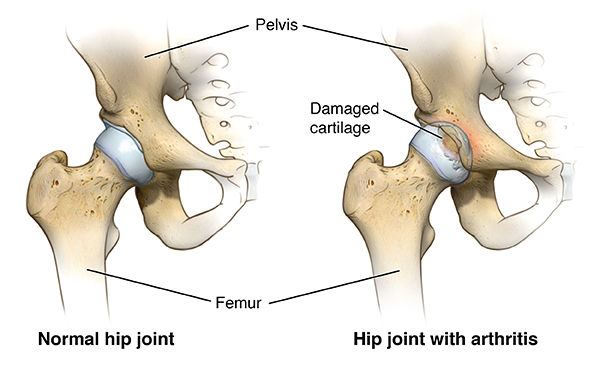
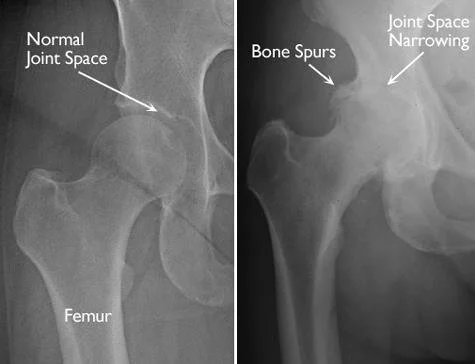
Arthritis is a major cause of hip pain, especially in older adults. The most common type affecting the hip is osteoarthritis, where the cartilage that cushions the joint gradually wears down.
Symptoms may include:
- Stiffness in the morning
- Pain during walking or standing
- Reduced range of motion
Over time, arthritis can make everyday activities like climbing stairs or sitting uncomfortable.
Other Possible Reasons
Bursitis
Bursae are small fluid-filled sacs that cushion joints. When they become inflamed, a condition called bursitis develops. This often causes sharp pain on the outside of the hip.
Sciatica
Sometimes hip pain is not actually caused by the hip joint itself. Sciatica, caused by irritation of the sciatic nerve in the lower back, can send pain down through the hip and leg.
Injury or Fracture
Falls, accidents, or sports injuries can damage the hip joint. In older adults, even a minor fall may lead to a hip fracture.
When Should You See a Doctor?
Seek medical advice if you experience:
- Severe or sudden hip pain
- Pain after a fall or injury
- Swelling or redness around the joint
- Difficulty walking or putting weight on the leg
- Pain that lasts longer than a few days
Early diagnosis can help prevent more serious complications.
Simple Ways to Relieve Hip Pain
Many mild cases improve with simple lifestyle adjustments:
- Rest the affected hip
- Apply ice packs to reduce inflammation
- Perform gentle stretching exercises
- Maintain a healthy weight to reduce pressure on joints
- Use proper posture while sitting and standing
Regular physical activity that strengthens the muscles around the hip can also help prevent future pain.
Final Thoughts
Hip pain is not something to ignore. While it is often caused by minor issues such as muscle strain, it can also signal underlying conditions like arthritis or nerve problems. Listening to your body and addressing pain early can help maintain mobility and overall health.
If hip pain becomes persistent or severe, consulting a healthcare professional is the best step toward proper treatment and recovery.