
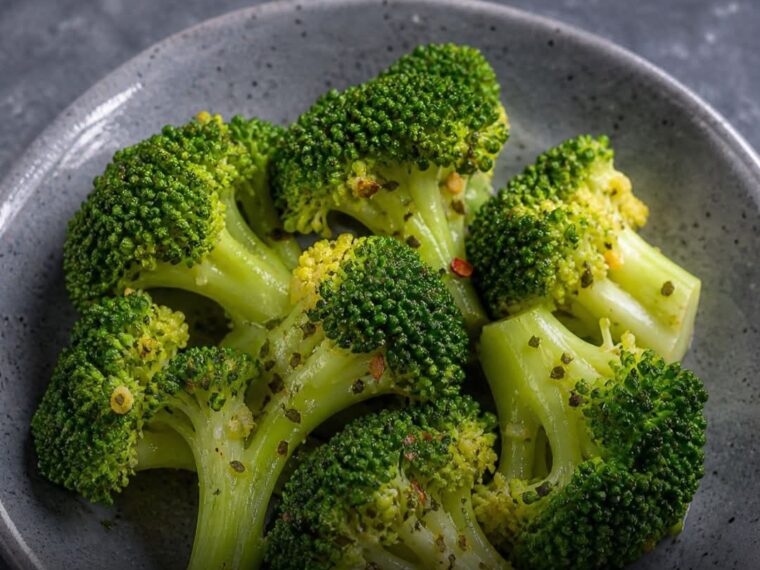
🥦 Broccoli: A Simple Vegetable With Powerful Health Benefits
Broccoli is often seen as just another green vegetable on the plate—but research suggests it deserves much more attention. In fact, according to the nutrient-density scoring system developed by the Centers for Disease Control and Prevention (CDC), broccoli earned a perfect score of 100. That places it among the most nutrient-dense foods you can eat, meaning it delivers an exceptional amount of essential nutrients for very few calories.
So what makes broccoli so powerful? Let’s break it down.
🧬 What Does “Nutrient-Dense” Really Mean?
Nutrient density refers to how many vitamins, minerals, and beneficial compounds a food provides relative to its calorie content. Foods that rank highly give your body more of what it needs—without excess energy intake.
Broccoli stands out because it offers a wide range of nutrients in a very compact, low-calorie form, making it ideal for both health and weight management.
🥗 A Nutritional Powerhouse
A single serving of broccoli contains an impressive mix of essential nutrients, including:
- Vitamin C – supports immunity and skin health
- Vitamin K – important for blood clotting and bone strength
- Fiber – aids digestion and gut health
- Folate (Vitamin B9) – crucial for cell growth and repair
- Potassium – helps regulate blood pressure
On top of that, broccoli is rich in antioxidants—natural compounds that help protect your body from damage caused by oxidative stress.
🛡️ The Star Compound: Sulforaphane
One of broccoli’s most studied components is sulforaphane. This sulfur-containing compound is formed when broccoli is chopped or chewed.
Research has explored sulforaphane for its potential to:
- Support the body’s natural detoxification processes
- Reduce inflammation
- Help protect cells from oxidative damage
- Activate protective enzymes in the body
While it’s not a cure-all, it’s a key reason broccoli is often highlighted in health research.
❤️ Supports Heart Health
Regular consumption of broccoli has been associated with improved cardiovascular health. Its fiber, potassium, and antioxidants may help:
- Lower LDL (“bad”) cholesterol
- Support healthy blood pressure
- Reduce inflammation linked to heart disease
Adding broccoli to your meals is a simple way to support long-term heart health.
🌱 Promotes Gut Health
Broccoli contains both fiber and natural plant compounds that support a healthy digestive system. It may:
- Feed beneficial gut bacteria
- Improve digestion and regularity
- Strengthen the gut lining
A healthy gut plays a major role in immunity, metabolism, and even mood.
🦠 Strengthens the Immune System
Thanks to its high vitamin C content and antioxidant profile, broccoli helps support immune defenses. These nutrients:
- Assist in the production of immune cells
- Help the body respond to infections
- Reduce oxidative stress that can weaken immunity
⚖️ Low in Calories, High in Impact
One of broccoli’s biggest advantages is how much it offers for so few calories. This makes it ideal for:
- Weight management
- Balanced diets
- Nutrient-rich meal planning
You can eat generous portions without significantly increasing calorie intake.
🍳 How to Get the Most Benefits
To maximize broccoli’s nutritional value:
- Lightly steam it instead of overcooking to preserve nutrients
- Chop and let it sit for a few minutes before cooking to help form sulforaphane
- Pair with healthy fats (like olive oil) to improve absorption of certain nutrients
- Include raw broccoli occasionally for maximum enzyme activity
⚠️ Things to Keep in Mind
- Eating extremely large amounts may cause digestive discomfort in some people
- If you take blood-thinning medication, monitor vitamin K intake and consult your doctor
- Variety still matters—broccoli is powerful, but it shouldn’t be your only vegetable
🌟 Final Thoughts
Broccoli isn’t just “healthy”—it’s one of the most efficient, nutrient-packed foods you can put on your plate. Backed by research and recognized for its exceptional nutrient density, it offers a wide range of benefits, from supporting heart and gut health to strengthening your immune system.
It’s a simple food, easy to prepare, widely available, and incredibly effective when included regularly in a balanced diet.
Sometimes, the most powerful health choices aren’t complicated—they’re green, humble, and already sitting in your kitchen.