
When Neighbor Conflicts Cross the Line: Handling Property Disputes the Right Way 🏡
Neighborhood living comes with shared spaces, mutual respect, and sometimes… misunderstandings. But when a situation escalates—like a neighbor entering your property and leaving a message in an unpleasant way—it becomes more than just a small disagreement.
It becomes a matter of boundaries, communication, and respect.
The Situation: When Frustration Turns Into Action
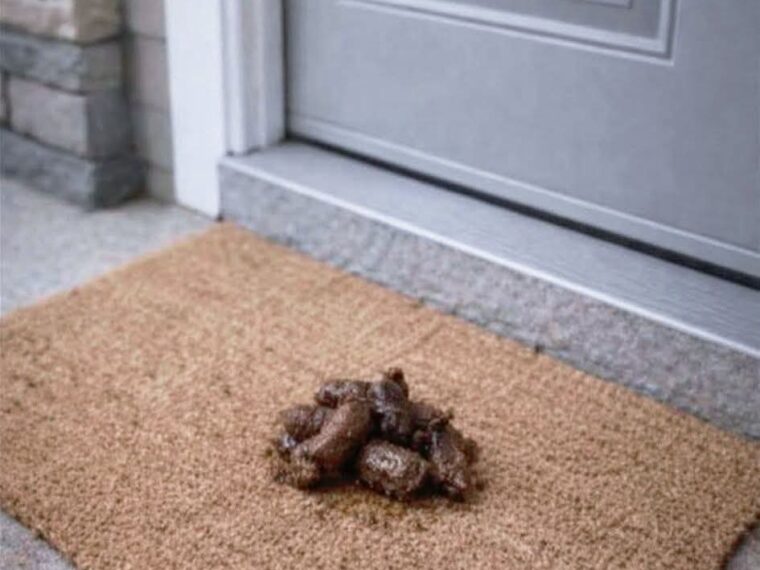
Imagine waking up to find something unexpected—and unwelcome—on your doorstep. In this case, a neighbor, frustrated about a recurring issue, chose to make a point by leaving dog waste directly at the homeowner’s entrance.
While the concern itself may be valid—cleaning up after pets is important—the way it was handled crossed a line.
The Real Issue: It’s Not Just About the Dog
At the heart of this situation are two key issues:
1. Responsibility
Pet owners have a responsibility to clean up after their animals. It’s part of being a respectful member of any community.
2. Respect for Property
No matter the frustration, entering someone else’s property and leaving anything behind—especially in a confrontational way—is inappropriate and can feel like a violation.
Why This Approach Backfires
Handling conflict through passive-aggressive actions often makes things worse instead of better:
- It creates tension and hostility
- It avoids real communication
- It can escalate into bigger disputes
- It may even lead to legal consequences
Instead of solving the problem, it adds a new one.
A Better Way to Handle Neighbor Issues 🤝
If there’s a problem between neighbors, the most effective approach is simple:
✔ Have a Direct Conversation
A calm, respectful discussion can resolve most issues quickly.
✔ Be Clear and Honest
Explain the concern without accusations or anger.
✔ Work Toward a Solution
Focus on fixing the problem, not blaming the person.
Setting Boundaries
In situations like this, it’s important to clearly communicate limits:
- Your property is private
- Uninvited entry is not acceptable
- Issues should be discussed directly
Setting boundaries doesn’t mean being aggressive—it means protecting your space while staying respectful.
When to Take It Further
If the behavior continues, you may need to:
- Document incidents (security cameras can help)
- Keep records of communication
- Contact local authorities or community management if necessary
Taking further steps should always be a last resort—but sometimes it’s necessary.
A Reminder for All Neighbors
Good neighborhoods are built on:
- Communication
- Respect
- Accountability
Everyone makes mistakes—but how we address them makes all the difference.
Final Thoughts 🏡✨
This situation highlights an important lesson:
Problems between neighbors should be handled with conversation, not confrontation.
Cleaning up after pets is essential—but so is respecting each other’s space. A simple conversation could prevent unnecessary conflict and help maintain a peaceful community.
Because at the end of the day, being a good neighbor isn’t just about following rules—it’s about treating each other with basic respect.