
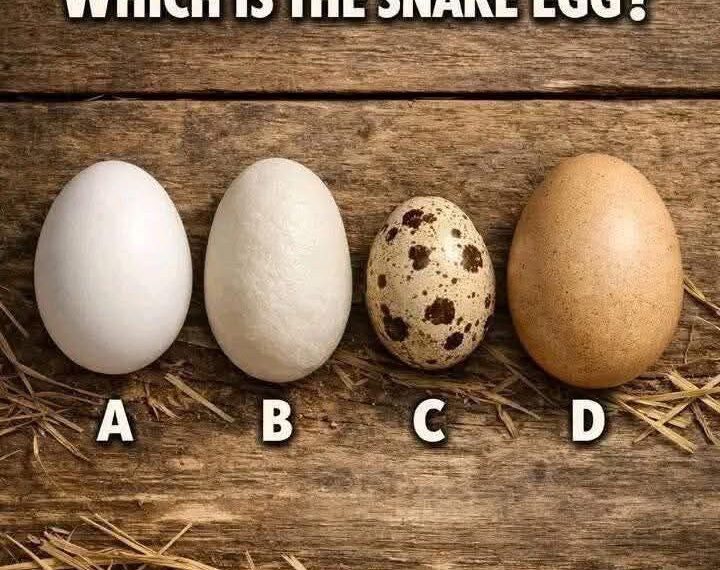
🐍 How to Identify Snake Eggs
A Simple Guide to Telling Them Apart from Other Eggs
While working in your garden or exploring outdoor areas, you might come across unusual eggs and wonder: are they snake eggs or something else? Knowing how to identify them is important for your safety and to handle the situation correctly.
🥚 What Do Snake Eggs Look Like?
Snake eggs have some unique characteristics that set them apart:
- Shape: Oval or slightly elongated, not perfectly round
- Shell: Soft and leathery—not hard like chicken eggs
- Color: Usually white or off-white
- Size: Varies by species, but generally small to medium
✔ The soft, flexible shell is the most important clue.
📍 Where Are They Usually Found?
Snakes choose hidden, safe places to lay their eggs, such as:
- Under soil or leaf piles
- Inside wood stacks
- In holes, cracks, or burrows
- Warm, damp environments
✔ Well-hidden eggs are a strong indicator.
🔍 Snake Eggs vs Bird Eggs
| Feature | Snake Eggs | Bird Eggs |
|---|---|---|
| Shell | Soft, leathery | Hard and brittle |
| Location | Hidden (underground, covered) | Visible nests |
| Shape | Slightly elongated | Smooth oval |
| Color | Usually plain white | Often colored or speckled |
⚠️ Is It Safe to Touch Them?
- It’s best not to touch snake eggs
- The mother may be nearby and defensive
- Some snake species can be dangerous
✔ Keep your distance for safety.
🚨 What Should You Do If You Find Them?
- Do not break or move the eggs
- Keep children and pets away
- If they are near your home, contact local wildlife services or a professional
💡 Important Fact
Not all snakes lay eggs! Some species give birth to live young, so the presence of eggs depends on the type of snake.
✨ Final Thoughts
Identifying snake eggs becomes easier when you know what to look for:
✔ Soft, leathery shell
✔ Plain white color
✔ Hidden, protected location
Always prioritize safety and respect nature—observe, but don’t disturb 🐍🌿