
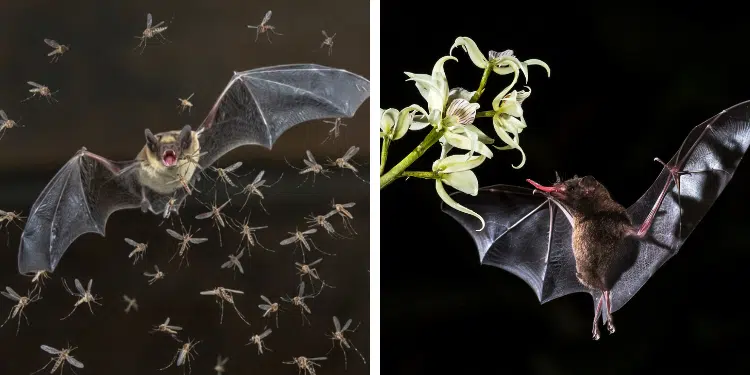
In the height of summer, one of the biggest obstacles to enjoying your outdoor space isn’t the heat – it’s the constant presence of mosquitoes.
The buzzing, biting, and swarming can quickly turn a relaxing evening into a frustrating experience.
Most people respond with chemical sprays, electric zappers, or synthetic repellents. While these may provide short-term relief, they often come with downsides.
Many of these methods harm beneficial insects like bees and butterflies, disrupt the natural balance of your garden, and require constant reapplication.
There is, however, a far more effective and long-term solution – one that already exists in nature.
The answer is bats.
A single bat can consume hundreds of mosquito-sized insects in just one hour, making them one of the most efficient natural pest control systems available.
Instead of fighting mosquitoes with chemicals, you can invite a natural predator to do the work for you – every night, completely free.
But attracting bats is not random. They are selective animals, and if your yard doesn’t meet their needs, they simply won’t stay.
To successfully bring bats into your backyard, you need to understand three key elements: shelter, warmth, food, and water.
Why Bats Are One of the Most Effective Natural Pest Controllers
Bats are often misunderstood, but in reality, they play a critical role in maintaining ecological balance.
A species like the little brown bat can eat up to 600–1,000 mosquito-sized insects per hour, meaning even a small colony can significantly reduce mosquito populations in your area .
Unlike chemical methods, bats:
- Work continuously throughout the night
- Target multiple pest species, not just mosquitoes
- Do not harm pollinators during the day
- Create a sustainable, long-term solution
This makes them one of the most efficient and environmentally friendly pest control options available.
Step 1: Create the Right Shelter With a Proper Bat House
Bats don’t build nests like birds – they roost in tight, protected spaces. In nature, this usually means under loose bark or inside tree cavities.
To attract them, you need to replicate this environment.
A properly designed bat house should be:
- Tall and narrow, creating tight internal chambers
- Rough inside, allowing bats to grip and climb
- Installed high above the ground for safety
Height is critical. A bat house should be mounted at least 15–20 feet high, ideally on a building or pole rather than a tree. Trees may seem natural, but they expose bats to predators like owls and raccoons.
If the structure feels safe and secure, bats are far more likely to adopt it.
Step 2: Understand the Importance of Heat
Bats are warm-blooded mammals, and temperature plays a huge role in whether they choose to stay.
A bat house must act like a heat-retaining shelter, especially during the day when bats rest.
If it’s too cold, bats will ignore it.
To create the right conditions:
- Place the house where it gets 6–8 hours of direct sunlight
- Use darker colors in cooler climates to absorb heat
- Use lighter colors in hot climates to prevent overheating
The ideal internal temperature range is roughly 26°C to 38°C, which helps bats conserve energy and raise their young effectively .
Think of your bat house as a solar-powered shelter – it needs warmth to function.
Step 3: Build a “Night Garden” That Attracts Insects
Bats don’t eat plants – they follow food.
To attract bats, you must first attract the insects they feed on.
This is where planting becomes strategic.
Certain plants release strong scents at night and reflect moonlight, attracting moths, beetles, and other nocturnal insects.
Ideal plants include:
- Evening primrose
- Honeysuckle
- Night-blooming jasmine
- Yucca
These plants create a natural feeding zone, increasing insect activity in your yard.
Once insects gather, bats quickly recognize your space as a reliable hunting ground.
Step 4: Provide a Proper Water Source
Water is often the missing piece in many gardens.
Bats drink while flying – they skim across the surface of water without stopping. Because of this, they need wide, open water surfaces.
Small birdbaths are not effective.
Instead, consider:
- A pond
- A long trough
- A wide, open water feature
The surface should be at least several feet long and free from obstacles. Bats need a clear “flight path” to safely approach and drink.
Adding water not only attracts bats but also supports insect life, creating a balanced ecosystem.
Step 5: Reduce Light and Noise Pollution
Bats rely on echolocation to navigate and hunt. This system is extremely sensitive.
Bright artificial lighting can disrupt their behavior.
While lights attract insects, they also make bats more visible to predators, which discourages them from hunting in those areas.
To create a bat-friendly environment:
- Replace bright lights with motion-activated ones
- Use softer, yellow-toned lighting
- Avoid lighting trees or garden areas unnecessarily
Noise also matters. Devices like ultrasonic pest repellents can interfere with bats’ navigation systems.
A quieter, darker environment makes your backyard feel safer for them.
Step 6: Avoid Chemical Pest Control
One of the biggest mistakes people make is using insecticides while trying to attract bats.
These chemicals don’t just kill mosquitoes – they kill the bats’ food source.
Worse, when bats eat contaminated insects, toxins can accumulate in their bodies over time. This process, known as bioaccumulation, can harm or even kill them .
Switching to a natural approach allows bats to take over the role of pest control.
This creates a self-sustaining system where:
- Insects are controlled naturally
- No chemicals are needed
- The ecosystem remains balanced
What Happens When Everything Comes Together
When you combine all these elements – shelter, warmth, food, water, and a low-disturbance environment – you create a space that bats actively choose.
Over time, you may notice:
- Fewer mosquitoes
- Increased nighttime activity in the sky
- A more balanced garden ecosystem
Unlike chemical solutions, this method improves with time.
Once bats establish a roost, they tend to return year after year.
The Long-Term Benefits of Attracting Bats
Bringing bats into your backyard does more than solve a mosquito problem.
It:
- Supports biodiversity
- Reduces reliance on chemicals
- Enhances the natural balance of your garden
- Creates a unique and fascinating nighttime environment
Watching bats fly and hunt at dusk becomes part of the experience.
Attracting bats is not about luck – it’s about design.
By understanding what bats need and shaping your environment around those needs, you create a space that works with nature rather than against it.