🌱 “Miracle Plant” Removes 98% of Microplastics from Drinking Water: Full Article
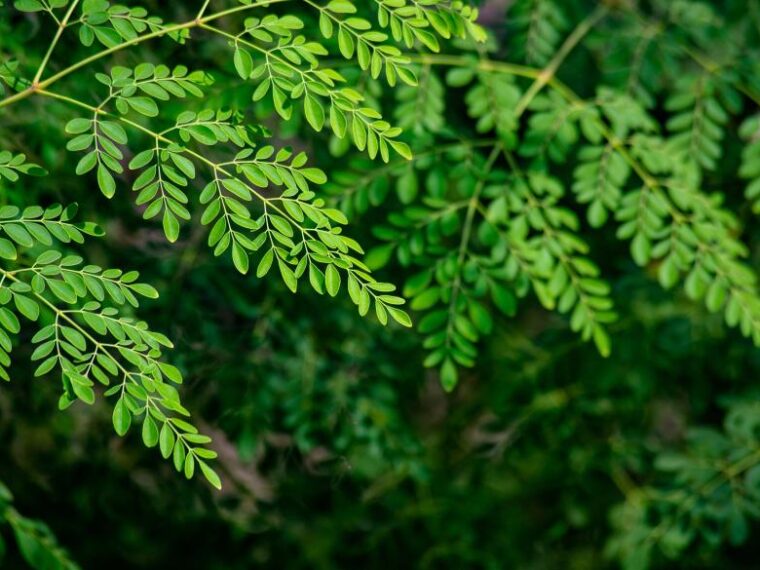
A groundbreaking new study has revealed that a natural plant—Moringa oleifera, often called the “miracle tree”—can remove up to 98% of microplastics from drinking water. This discovery could reshape how the world approaches water purification, offering a safer and more sustainable alternative to chemical treatments.
🌍 What Are Microplastics and Why Are They Dangerous?
Microplastics are tiny plastic particles smaller than 5 millimeters. They come from sources like:
- Degraded plastic packaging
- Synthetic fabrics
- Car tires and paint
These particles are now found almost everywhere—including drinking water, food, and even inside the human body. Scientists have linked them to potential health risks such as inflammation, reproductive issues, and cardiovascular problems. (People.com)
🌿 The “Miracle Tree” Solution
The new research, published in the scientific journal ACS Omega, highlights the powerful properties of moringa seeds. (People.com)
How it works:
- Moringa seeds contain positively charged proteins
- These proteins attract negatively charged particles like microplastics
- The particles clump together (coagulation) and sink
- The clumps can then be easily removed from the water
This natural process works similarly to chemical treatments used in water plants—but without the harmful side effects. (Good.is)
🧪 Study Results
Researchers found that:
- Moringa seed extract removed over 98% of microplastics from water
- It performed as well as or better than aluminum sulfate, a common chemical coagulant (People.com)
- It remained effective across different water conditions, including varying pH levels (People.com)
In some cases, it even outperformed chemical treatments—especially in alkaline water. (New York Post)
⚖️ Why This Matters
Current water treatment methods often rely on chemicals like aluminum sulfate, which:
- Can leave behind residues
- May pose long-term health risks
- Produce waste sludge that harms the environment (euronews)
By contrast, moringa is:
- Biodegradable
- Non-toxic
- Low-cost and widely available
This makes it especially promising for developing regions or areas with limited access to advanced filtration systems. (Good.is)
🌱 Ancient Plant, Modern Innovation
Interestingly, moringa is not new. It has been used for thousands of years, including by ancient civilizations, to purify water and treat diseases. (euronews)
Today, it’s grown in many tropical and dry regions because it:
- Requires little water
- Grows quickly
- Thrives in poor soil
⚠️ Limitations and Challenges
Despite its promise, scientists caution that:
- Moringa can increase organic material in water, which may require additional treatment (People.com)
- Large-scale use in city water systems still needs more testing
- Long-term safety and efficiency must be confirmed in real-world conditions
🔮 The Future of Water Purification
With plastic pollution increasing globally, researchers are urgently seeking sustainable solutions. Moringa-based filtration could:
- Reduce reliance on harmful chemicals
- Lower costs for water treatment
- Provide cleaner drinking water to millions
While it’s not a complete replacement yet, experts believe it could become a key part of future water purification systems.
✨ In simple terms: a humble plant that’s been around for centuries might help solve one of the biggest modern environmental problems.
Would you like me to show you a simple DIY method to use moringa seeds for basic water cleaning at home?