
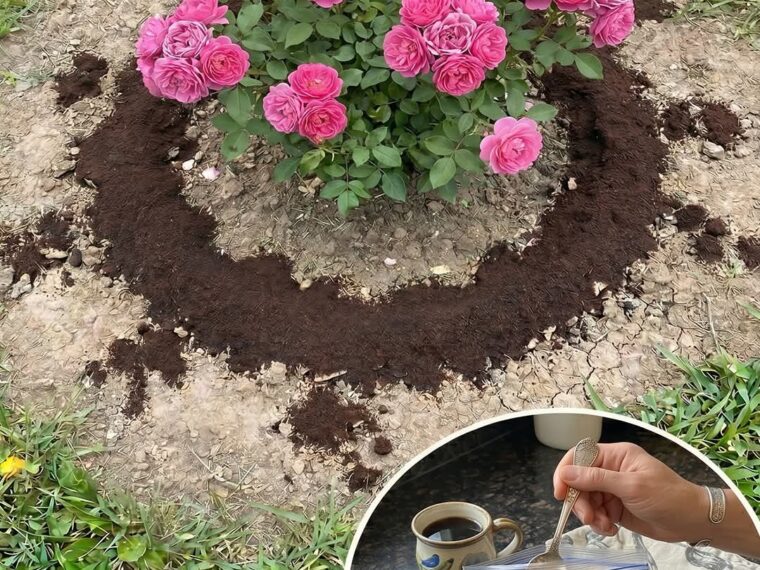
Many people throw away their used coffee grounds every morning without a second thought. However, this common kitchen waste holds potent power for your garden. Used coffee grounds are packed with essential nutrients and act as a natural, homemade fertilizer. When used the right way, they can improve your soil, balance acidity, and help many different types of plants grow stronger and produce more.
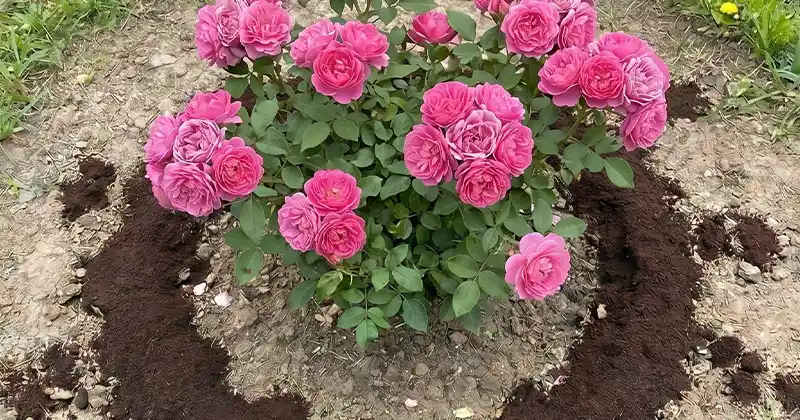
Why Coffee Grounds Are Good for Plants
Using coffee grounds at home is a simple, free, and highly effective way to feed your garden. Instead of buying artificial products, you can use this everyday item to improve your growing space. Here is exactly what coffee adds to your dirt:
- Nitrogen: This is a crucial nutrient that helps plants grow large, healthy, and deep green leaves.
- Phosphorus and Potassium: These minerals support strong root systems, bright flowers, and bigger fruit production.
- Acidity: Coffee grounds lower the soil pH, creating the perfect environment for plants that need slightly acidic dirt to survive.
- Better Soil Structure: They help the ground hold onto water during dry days, while also allowing enough air to reach the roots so they do not rot.
- Weed Control: When used properly on top of the soil, they can act as a natural barrier that blocks unwanted weeds from growing.
Plants That Thrive with Coffee Grounds
Many common garden vegetables, fruits, herbs, and flowers love the extra nutrients and acidity provided by coffee. Here are the top plants to feed with your homemade grounds:
Vegetables
- Tomatoes: The nitrogen boost helps them grow more fruit and develop stronger foliage. Coffee also helps create the slightly acidic home that tomatoes prefer.
- Garlic: Mixing grounds into the dirt gives garlic the slow-release feeding it needs for healthy, large bulb development.
- Onions: The grounds keep the dirt loose and prevent it from getting packed down tight, which allows the onion bulbs to expand easily under the surface.
- Cucumbers: These plants need a lot of water. The grounds help the dirt hold onto moisture, keeping the heavy vines hydrated.
- Pumpkins and Squash: The extra nutrients support long, heavy vines and help prevent root rot by improving air flow in the ground.
- Peppers: Adding this homemade fertilizer gives pepper plants the strength to produce an abundant harvest very quickly.
Fruits
- Blueberries: They absolutely require acidic dirt to reach their full potential. The grounds adjust the soil perfectly for them.
- Strawberries: The grounds improve soil fertility and lower the pH, which leads to sweeter, plumper, and juicier berries.
Herbs
- Basil: Needs high nitrogen for thick, bushy leaf growth, which coffee provides perfectly.
- Rosemary: A tough herb that loves the slight acidity and improved root space.
- Mint: Benefits from the moisture control, preventing the roots from drying out while supporting fast new leaf growth.
Flowers
- Roses: The slow-release nutrients help rose bushes push out bright, vibrant blooms and maintain very healthy foliage.
- Hydrangeas: The extra acidity and trace minerals make the flower colors stand out and look much brighter.
- Gardenias: They depend on acidic dirt to bloom properly. The grounds encourage stunning, pearl-like flowers.
- Fuchsias: The added nitrogen encourages rapid growth and massive flower production.
- Hostas: Feeds the plant exactly what it needs for massive, lush green leaves that fill up your garden space.
How to Use Coffee Grounds Safely
Even though coffee is potent, you must use it carefully. Too much of a good thing can actually harm your garden. A common mistake is piling on too much at once, which can make the soil too acidic or block water from draining. Follow these simple rules for safe homemade use:
- Dry them first: Never store wet grounds. Let them dry completely in the open air first so they do not grow mold.
- Use a thin layer: Do not put more than a half-inch layer of grounds around your plants per month. About one tablespoon for a small plant, or a small handful for a large bush, is plenty.
- Mix them in: Gently scratch the grounds into the top of the dirt. If you leave a thick, flat layer sitting on top of the soil, water will not be able to pass through to the roots.
- Make a liquid feed: Soak two tablespoons of used grounds in a gallon of water overnight. Use this brown water to gently hydrate and feed your plants.
- Add to compost: Toss them in your compost bin to mix with other organic matter. This creates a highly balanced and safe fertilizer for the future.
Instead of tossing your morning coffee waste in the trash, put it to work outside. By following these basic steps, you can recycle an everyday item into a highly effective garden booster. Your vegetables, fruits, and flowers will reward you with beautiful growth and bigger harvests.
Inspired by this? Share the article with your friends!


