3. Everyday Habits That Damage Nails
Daily activities can place repeated stress on fingernails. Typing, opening packages, playing musical instruments, or using nails as tools may gradually weaken them. Nail biting or picking can also create tiny tears that develop into larger splits.
To reduce damage:
- Keep nails trimmed short
- Use fingertips instead of nails whenever possible
- Wear gloves during manual work or cleaning
4. Dryness and Dehydration
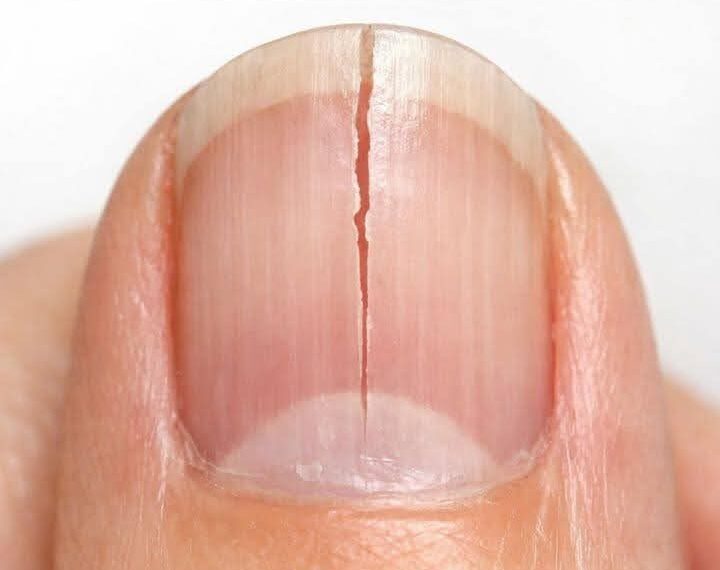
Nails need moisture to remain flexible and strong. Dry or dehydrated nails become brittle and more likely to split vertically. Frequent handwashing, harsh soaps, dry weather, and cleaning products can strip away natural oils.
Using moisturizing hand creams or nail oils regularly can help. Products containing ingredients such as lanolin, vitamin E, or jojoba oil are especially beneficial.
5. Nutritional Deficiencies
Deficiencies in certain vitamins and minerals can affect nail health. Low iron levels are a common cause of brittle or splitting nails. Inadequate biotin intake may also contribute to weakness and breakage.
Foods that support nail health include:
- Iron-rich foods like spinach, beans, and lean meats
- Biotin-rich foods such as eggs, nuts, and whole grains
- Protein-rich foods that support keratin production
Before taking supplements, it is best to consult a healthcare provider.
6. Aging, Genetics, and Naturally Brittle Nails
As people age, nails naturally become thinner and more fragile. Genetics can also influence nail strength, making some individuals more prone to splitting than others.
Although aging and genetics cannot be changed, proper nail care can help reduce damage. Regular moisturizing, gentle filing, and avoiding harsh chemicals can improve nail resilience.
7. Manicures, Acrylics, and Harsh Chemicals
Frequent manicures, acrylic nails, and gel polish treatments may weaken the nail plate over time. Nail polish removers containing acetone are especially drying and can increase brittleness.
To minimize damage:
- Give nails breaks between manicures
- Use acetone-free removers when possible
- Avoid excessive buffing or filing
8. Skin and Nail Disorders
Certain skin conditions can affect the nails and lead to splitting. Conditions such as psoriasis, eczema, and onychorrhexis may interfere with healthy nail growth.
Treating the underlying skin condition often improves nail health. A dermatologist can recommend medications or treatments tailored to the specific disorder.
9. Medical Conditions and Medications
Nails sometimes reveal signs of internal health problems. Thyroid disease, liver disease, anemia, and circulation issues may contribute to nail splitting. Certain medications, including chemotherapy drugs, can also weaken nails.
Persistent nail changes combined with other symptoms should be evaluated by a healthcare professional.
10. When a Vertical Split May Be Serious
Most nail splits are harmless, but a persistent crack that does not heal — especially if accompanied by pain, bleeding, swelling, or discoloration — should be examined by a doctor.
In rare cases, unusual nail changes can signal serious conditions such as melanoma or other nail disorders that require medical attention.
11. Dermatologist-Recommended Ways to Strengthen Nails
Dermatologists often recommend the following strategies to reduce splitting and strengthen nails:
- Keep nails neatly trimmed and filed
- Moisturize hands and nails daily
- Wear gloves while cleaning or washing dishes
- Use protective nail coatings or strengthening treatments
- Avoid biting or picking at nails
- Eat a balanced diet rich in vitamins and protein
Some people may also benefit from supplements such as biotin or collagen, though medical guidance is recommended before beginning any supplement routine.